Fillings
BRIGHT SMILES FOR A LIFETIME
Sealants
Studies indicate that nearly everyone faces a 95 percent likelihood of developing cavities in the pits and grooves of their teeth over time.
Sealants, introduced in the 1950s and commercially available in the early 1970s, gained approval from the American Dental Association Council on Dental Therapeutics in 1972. Functioning by filling in crevices on the chewing surfaces of teeth, sealants create a barrier against food particles that might otherwise lead to cavities. The application process is swift and comfortable, offering effective protection for many years. Remarkably, research suggests that sealants can halt cavity progression when applied to slightly decayed teeth, cutting off the bacteria’s nutrient supply.
By acting as a preventive barrier, sealants hinder the accumulation of bacteria and food in the grooves and pits of teeth. They are particularly well-suited for permanent first molars (around age 6) and second molars (around age 12). The optimal time for sealant application is as soon as the tooth has fully erupted, with children benefiting the most due to the freshness of their teeth. Research underscores that more than 65% of all cavities arise in the narrow pits and grooves of newly erupted teeth in children, primarily due to trapped food particles and bacteria.
Application
The process of applying sealants begins with cleaning the tooth’s surface and thoroughly rinsing it to eliminate any remnants of the cleaning agent. Subsequently, an etching solution or gel is applied to the enamel surface, including the pits and grooves of the tooth. After 15 seconds, the solution is meticulously rinsed away with water. Once the site is dry, the sealant material is applied and allowed to harden using a specialized curing light.
Typically, sealants have a lifespan of approximately five years and should be routinely inspected during the child’s regular checkups. They prove highly effective in preventing decay on the chewing surfaces of the posterior teeth.
While insurance coverage for sealant procedures is on the rise, it remains relatively limited. However, many dentists anticipate a shift in this trend as insurers become increasingly convinced that sealants can contribute to reducing future dental expenses and safeguarding teeth from more aggressive forms of treatment.
Frequently asked questions: dental fillings
FDA Consumer Update on Dental Amalgams
The Food and Drug Administration and other organizations of the U.S. Public Health Service (USPHS) continue to investigate the safety of amalgams used in dental restorations (fillings). However, no valid scientific evidence has shown that amalgams cause harm to patients with dental restorations, except in rare cases of allergic reactions.
ATSDR – public health statements: mercury
The Centers for Disease Control and Prevention offers some scientific background on mercury (contained within silver-colored fillings), and whether it believes the substance presents any health hazards.
Analysis reveals significant drop in children’s tooth decay
The Journal of the American Dental Association (JADA) reports a substantial reduction in tooth decay among children in both their primary (baby) and permanent teeth compared to the early 1970s. A 20-year analysis indicates a remarkable 57.2 percent decrease in the prevalence of decayed permanent teeth among children aged six to 18. Additionally, children aged two to 10 witnessed a nearly 40 percent decline in diseased or decayed primary teeth during the same period.
Alternative Materials
Progress in contemporary dental materials and techniques is opening up new possibilities for creating more aesthetically pleasing and natural-looking smiles. Ongoing research, often spanning decades, is dedicated to developing esthetic materials like ceramic and plastic compounds that closely resemble the appearance of natural teeth. Consequently, dentists and patients now have a range of choices when it comes to selecting materials for repairing missing, worn, damaged, or decayed teeth.
Despite the introduction of these innovative materials, the value of traditional dental restoratives persists. This category includes gold, base metal alloys, and dental amalgam. The enduring strength and durability of these conventional dental materials make them particularly useful in situations where restored teeth must endure substantial forces generated during chewing, especially in the posterior regions of the mouth.
While there are alternatives to amalgam, such as cast gold restorations, porcelain, and composite resins, they tend to be more expensive. Gold and porcelain restorations, in particular, require a lengthier production process and may involve two appointments. Although composite resins, commonly known as white fillings, offer aesthetic appeal, their placement typically takes a longer time.
Here’s a look at some of the more common kinds of alternatives to silver amalgam:
- Composite fillings – Comprised of acrylic resin and finely ground glass-like particles, composite fillings create a tooth-colored restoration. These fillings offer good durability and resistance to fracture, particularly in small-to-midsize restorations that endure moderate chewing pressure. When preparing the tooth, the dentist removes less tooth structure, potentially resulting in a smaller filling compared to amalgam. Additionally, composites can be “bonded” or adhesively secured in a cavity, enabling the dentist to pursue a more conservative repair approach. However, in teeth subjected to high chewing loads, composite fillings exhibit lower wear resistance than silver amalgams. Moreover, the process of placing a composite filling tends to be more time-consuming.
- Ionomers – Tooth-colored materials known as glass ionomers consist of a blend of acrylic acids and fine glass powders. These materials are employed for filling cavities, especially those located on the root surfaces of teeth. Glass ionomers have the capability to release a small amount of fluoride, beneficial for individuals at high risk of decay. Primarily utilized as small fillings in areas not subject to heavy chewing pressure, glass ionomers are chosen for their low resistance to fracture. They are commonly applied in small, non-load-bearing fillings (such as those between the teeth) or on the roots of teeth. Resin ionomers, also incorporating glass filler along with acrylic acids and acrylic resin, share a similar application for non-load bearing fillings between the teeth, with a low to moderate resistance to fracture. When placed on chewing surfaces, ionomers experience high wear. Both glass and resin ionomers replicate the natural color of teeth but lack the inherent translucency of enamel. Patients generally tolerate both types well, with rare instances of allergic responses.
- Porcelain (ceramic) dental materials – Dental materials made entirely of porcelain (ceramic) encompass fillings and crowns crafted from porcelain, ceramic, or glasslike substances. These materials find application in inlays, onlays, crowns, and aesthetic veneers. Veneers, in particular, are exceptionally thin porcelain shells capable of either replacing or covering a portion of the tooth’s enamel. The allure of all-porcelain (ceramic) restorations lies in their ability to replicate the color and translucency of natural tooth enamel. However, the process of obtaining these restorations typically involves a minimum of two visits and potentially more. While such restorations exhibit high resistance to wear, they are susceptible to fracture under tension or impact. Their strength hinges on the porcelain’s thickness and its capacity to bond effectively to the underlying tooth. Notably, if the porcelain surface becomes rough, there is a risk of accelerated wear on opposing teeth.
Gallery
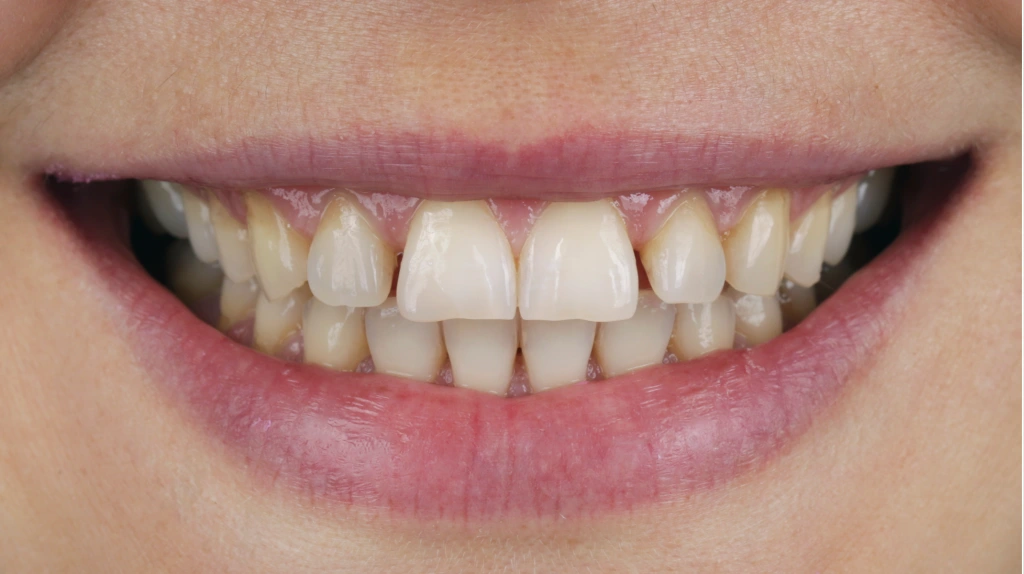
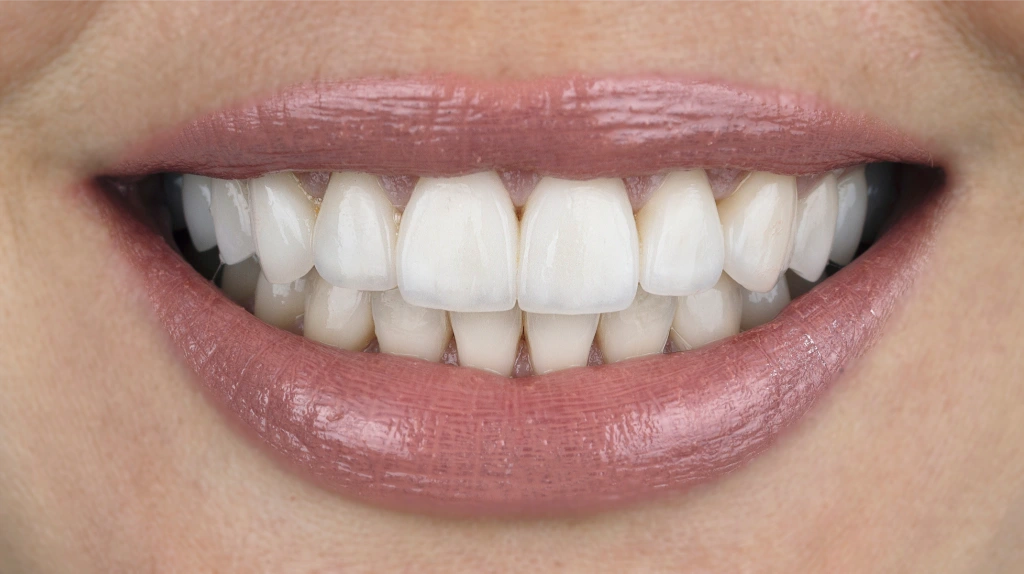
Smile Transformations
Patient Care
Financing Made Simple

Dental Credit Card and dental financing options